Cetinje, Where a Kingdom Lived at 670 Metres
Cetinje is one of Europe's most unlikely former capitals. Perched at 670 metres altitude in a limestone valley ringed by mountains, this small town of 15,000 people served as the capital of Montenegro from 1878 to 1918, the seat of a kingdom that was recognised by every great power and maintained embassies from Russia, Britain, France, Austria-Hungary, and the Ottoman Empire. The embassies still stand along the wide boulevards, converted into museums and music schools, lending the town a faded grandeur that no other place in Montenegro can match.
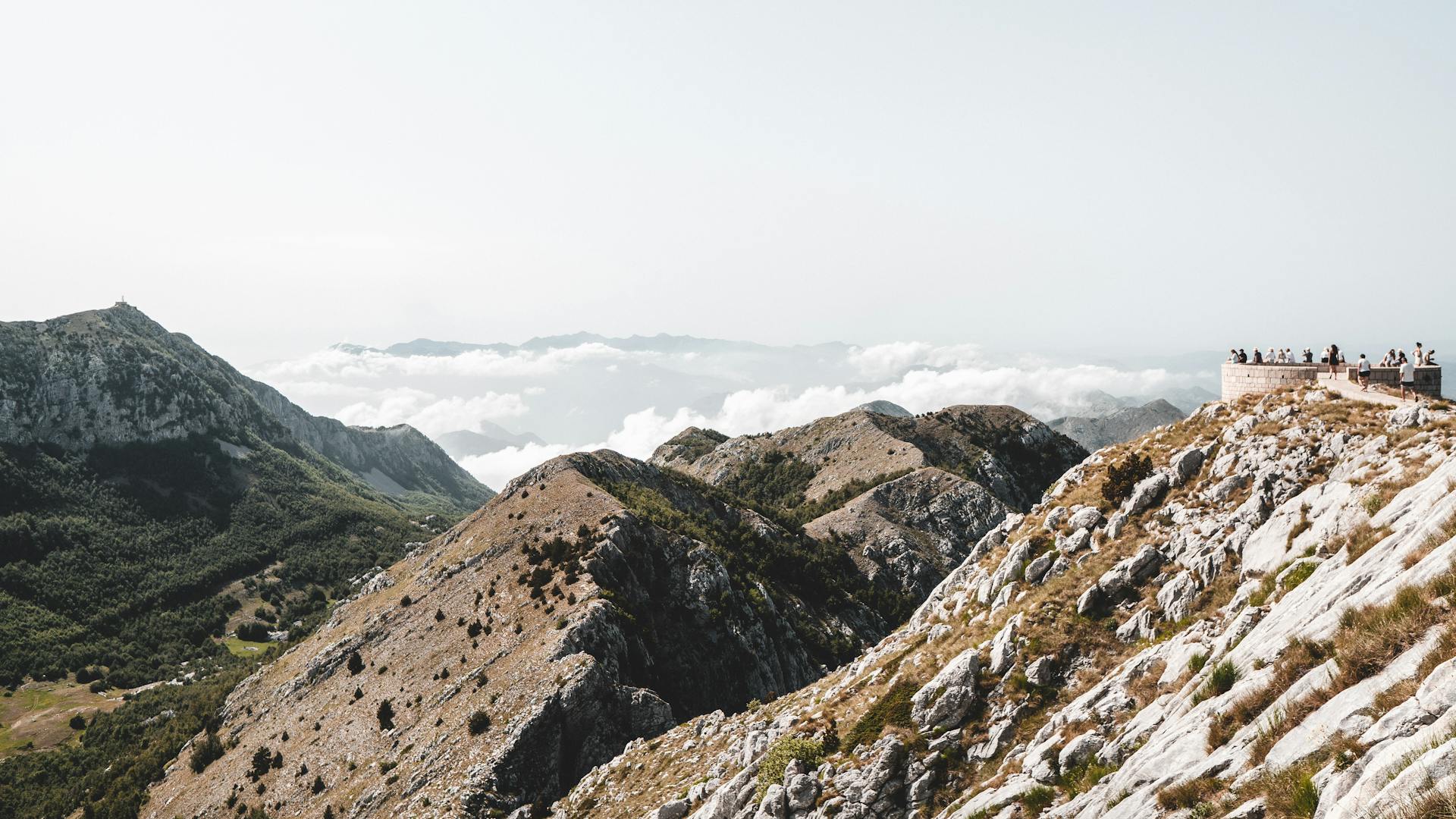
The drive from Podgorica takes 35 minutes, climbing steadily from the capital's 44-metre river plain into the mountains. The road is modern and well-maintained. Alternatively, Cetinje is connected to the coast via the legendary 25-hairpin road from Kotor, one of the most spectacular mountain drives in Europe, carved into the limestone face of Mount Lovćen.
Cetinje Monastery
Founded in 1484 by Ivan Crnojević and rebuilt in 1786 after Ottoman destruction, the monastery is the spiritual heart of Montenegrin Orthodoxy. It houses several extraordinary relics: what is believed to be the hand of John the Baptist, a fragment of the True Cross, and the crown of King Stefan Dečanski. The monastery is still active, monks live and worship here, and visitors are welcome during opening hours. Dress modestly: shoulders and knees covered.
Royal Cetinje
King Nikola's Palace
Built in 1871 as the residence of Montenegro's only king, the palace is now a museum displaying original furnishings, royal portraits, military decorations, and gifts from foreign heads of state. The billiard room is a highlight, a reminder that even in a mountain kingdom, the aristocracy kept up European fashions.
National Museum of Montenegro
Housed in the former Parliament building, the museum covers Montenegrin history from the medieval Zeta state through Ottoman occupation, the kingdom era, Yugoslav socialism, and the 2006 independence vote. The art gallery wing holds a significant icon collection, including the reportedly miraculous Our Lady of Philermos, brought from Rhodes by the Knights of St. John.
Lovćen and the Njegos Mausoleum
From Cetinje, a 30-minute drive through dense beech and pine forest brings you to the summit area of Mount Lovćen. At 1,657 metres, the Njegos Mausoleum crowns the peak, a granite and marble monument to Petar II Petrović-Njegoš, Montenegro's greatest poet and ruler. Climb 461 steps from the car park to the entrance. On a clear day, the panorama spans from the Adriatic islands to the Albanian alps to the Durmitor massif. On the way back down, stop at the village of Njeguši for the famous smoked ham (pršut) and cheese, made from sheep that graze these mountain meadows.