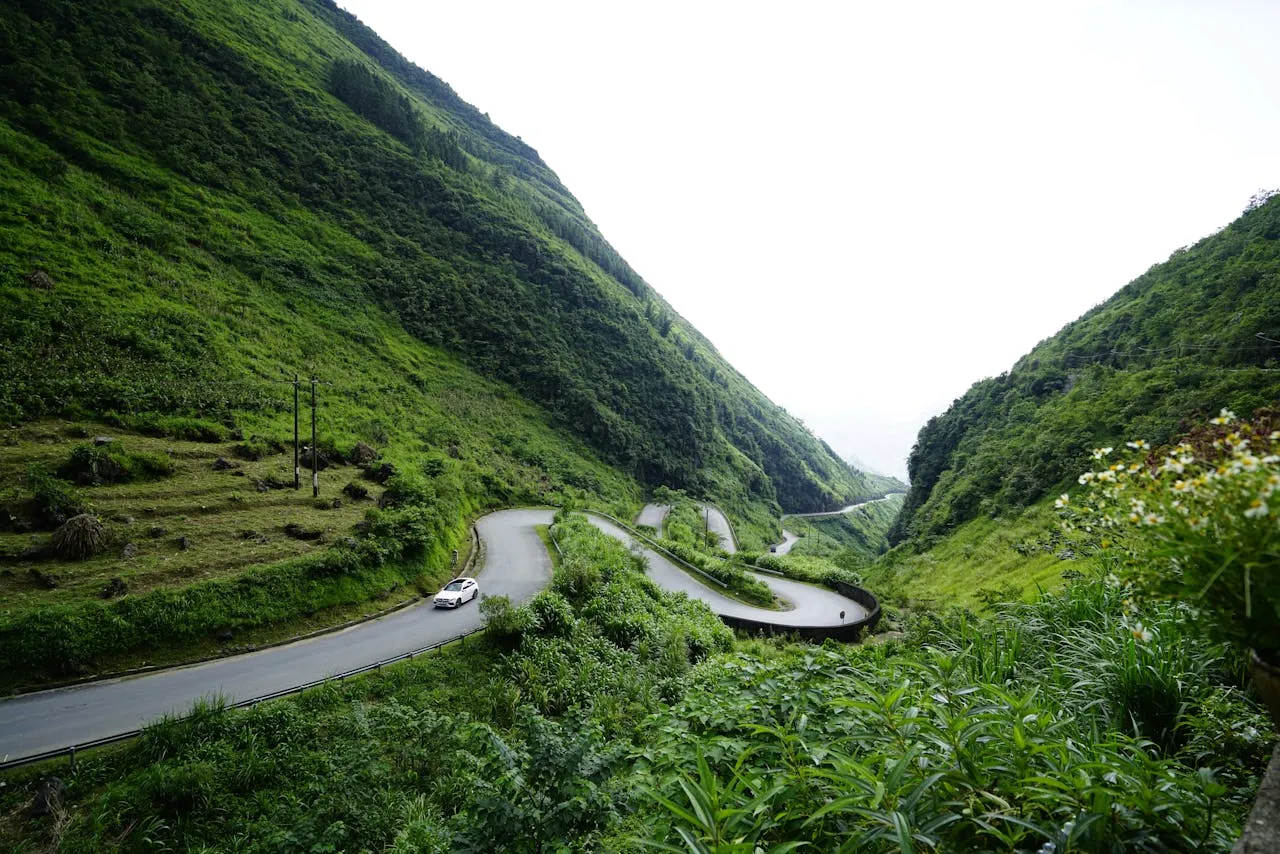
Driving Montenegro: 44 m to 2,522 m
Montenegro is a country where you can start the morning in a scorching river-valley capital at 44 metres elevation and finish the afternoon at a glacial lake surrounded by 2,500-metre peaks dusted in snow. The altitude swings define the driving experience, roads climb, twist, and drop through canyon gorges, mountain passes, and coastal switchbacks that make the GPS estimated arrival time a work of fiction.
A rental car from Podgorica is the only practical way to see most of the country. Public transport connects the main cities but skips the wild interior entirely. With four wheels and a sense of adventure, you reach cliff monasteries, hidden lakes, medieval towns, and canyon viewpoints that bus passengers never see.
Starting from the Capital
Podgorica Airport is the logical launch point, Ryanair from Stansted and Charleroi, Wizz Air from Vienna and Dortmund. From the terminal car park, Lake Skadar is 30 minutes south, Cetinje is 35 minutes into the mountains, the coast is an hour through the Sozina tunnel (4.2 km, toll EUR 2.50), and Durmitor is 2.5 hours north through the Morača Canyon. Rent a car at Tivat Airport for immediate coastal access.
Real Driving Times
Ignore the Google Maps estimate, it assumes you will not stop. Mountain switchbacks, livestock crossings, lorries on single-lane canyon roads, and the sheer visual drama of the scenery all add time. Budget 50% more than the map says, and treat the extra as a feature, not a bug.
From Podgorica: Lake Skadar 30 min, Cetinje 35 min, Ostrog 45 min, Budva 1 hr, Kotor 1.5 hrs, Nikšić 1 hr, Durmitor/Žabljak 2.5 hrs. Between coastal towns: typically 30 min to 1 hr.
Driving Rules You Need to Know
Police checkpoints are common and usually routine. Have these ready:
- Valid driving licence (International Driving Permit accepted)
- Rental contract (original, not a photocopy)
- Insurance documentation (CDW + Green Card if crossing borders)
- Green Card for border crossings (around EUR 15 for 15 days)
Hard Rules
- Seatbelts mandatory for all occupants
- Mobile phones: hands-free only, or a fine on the spot
- Alcohol: zero tolerance, any trace and you lose the car
- Speed limits enforced aggressively, especially near tunnels
Road Conditions and Seasonal Warnings
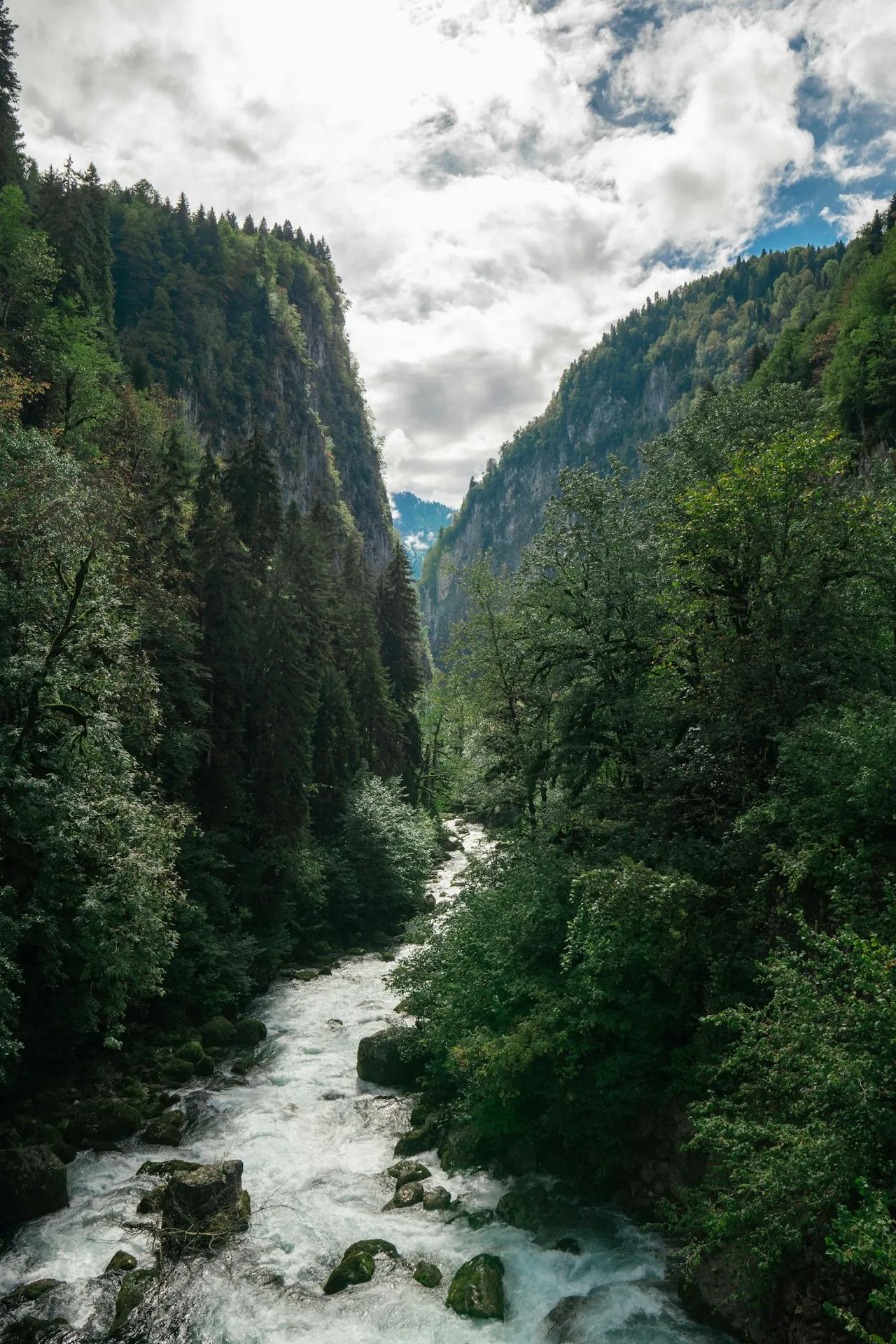
The main highway corridors are well-maintained. Mountain roads above 1,000 m are a different story: narrow, no guardrails in places, and sometimes no phone signal. The Platije gorge section north of Podgorica is single-lane in stretches with sheer drops. In winter (November to March), snow and ice close the highest passes, snow chains or winter tyres are mandatory above 1,000 m. The Durmitor approach road can be impassable after heavy snowfall. Summer brings the opposite extreme: road surfaces soften in 40°C+ heat, and tyres on hot asphalt need more braking distance.
Key Routes
E65, The Spine
The main route connecting Podgorica to the coast via Cetinje or the Sozina tunnel, continuing along the bay through Kotor, Perast, Tivat, and Herceg Novi. This is the road most visitors drive first, and it delivers the signature views of the Bay of Kotor.
E762, The Mountain Corridor
Runs west from Podgorica through Nikšić towards Bosnia. The road climbs steadily through farmland and forest, passing Trebjesa hill above Nikšić before entering the mountain interior. Use this as the first leg of a Durmitor expedition.
Border Crossings
Montenegro shares borders with five countries, and Podgorica is within 90 minutes of most crossing points. Green Card insurance is essential. Summer weekend queues at the Croatian coastal crossing (Debeli Brijeg) can stretch to 2 hours, cross early morning or late evening. Inland crossings towards Serbia and Kosovo are typically faster.
A Country Still Being Discovered
Montenegro declared independence in June 2006, making it one of the youngest nations on the planet. Tourism infrastructure is growing fast but the country retains an unpolished, slightly wild edge that more developed neighbours have lost. Roads lead to places that feel genuinely remote, mountain villages where the old ways persist, and viewpoints that no one has thought to put a railing on. That is the appeal, and a rental car is the only way to find it.