Why Cetinje Is Special
Cetinje was the capital of Montenegro from the 15th century until 1918, when the kingdom merged into Yugoslavia. For centuries it was the seat of the Montenegrin bishop-princes, and in the late 1800s it hosted diplomatic missions from the great European powers, Russia, France, Britain, Austria-Hungary, Italy. The embassies they built still stand along the tree-lined streets, most of them now converted into museums and galleries.
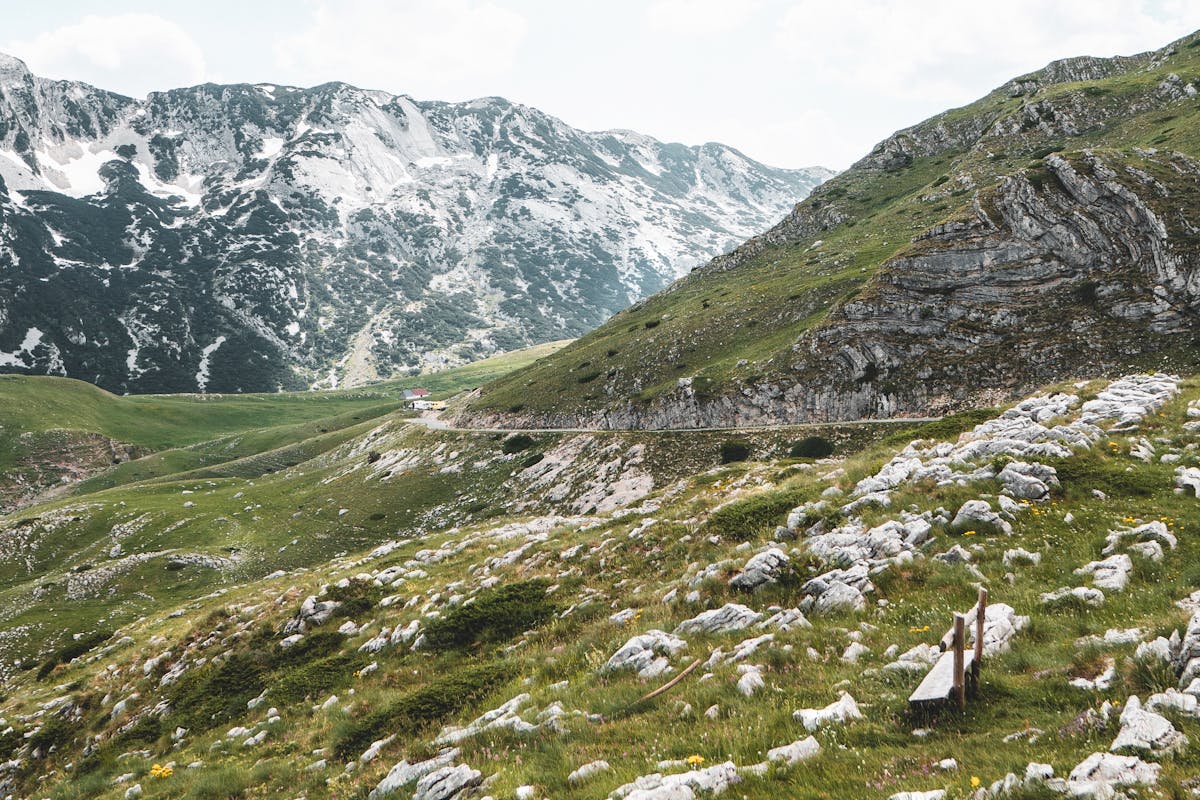
The town sits at 670 metres on a karst plateau beneath Mount Lovćen, surrounded by dry grey mountains that amplify the sense of isolation. Cetinje feels like a place that mattered enormously once and now exists in a state of dignified quiet. That is precisely its appeal. There are no crowds, no cruise ships, no souvenir shops selling magnets. Just stone buildings, old linden trees, and the sound of birds in the monastery courtyard.
Cetinje Monastery
The Cetinje Monastery is the spiritual heart of the Montenegrin Orthodox Church. Founded in 1484, destroyed and rebuilt multiple times, the current structure dates from 1786. The monastery claims to hold a fragment of the True Cross and the right hand of John the Baptist, relics that draw pilgrims from across the Orthodox world. Visitors can enter the monastery courtyard and church freely; the treasury room with the relics requires a separate ticket. Photography is not permitted inside.
The Museum Circuit
Cetinje's concentration of museums is remarkable for a town of 15,000 people. The National Museum of Montenegro occupies King Nikola's Palace, a surprisingly modest building for a royal residence, filled with weapons, medals, and 19th-century furniture. The Biljarda building (named for the billiard table hauled over the mountains for Prince-Bishop Petar II) houses a relief map of Montenegro that is worth the ticket alone. The Art Museum holds Montenegro's most important icon collection.
The Embassy Row
Along Njegoševa Street and the surrounding blocks, grand buildings bear plaques identifying them as former embassies of Russia, France, the Ottoman Empire, Britain, and Austria-Hungary. Each is a different architectural style, Russian neoclassical, French Second Empire, Ottoman revival, creating a miniature history of European diplomacy frozen in stone. Most are now institutional buildings or galleries. Walking the circuit takes 30 minutes and provides an oddly moving sense of a tiny mountain kingdom that once punched far above its weight on the world stage.
Continuing to Lovćen
From Cetinje, a dramatic mountain road climbs to Lovćen National Park and the Njegoš Mausoleum at 1,657 metres. The road is narrow with hairpin bends but paved throughout. If you have a full day, combining Cetinje with Lovćen makes one of the finest day drives in Montenegro. Alternatively, continue north towards Durmitor, see our Podgorica to Durmitor driving guide.
Where to Eat in Cetinje
The town has a handful of simple restaurants and cafés along the main pedestrian zone. Očev Kutak serves traditional Montenegrin dishes, lamb under the sač (a domed metal lid covered in embers), Njeguški steak stuffed with ham and cheese, and grilled peppers with kajmak. Portions are large and prices are notably lower than the coast. On warm days, every second building seems to have a terrace with a view of the mountains.
Practical Tips
- Road: The Podgorica, Cetinje road is well-maintained and climbs steadily through a mountain pass. Any car handles it easily.
- Parking: Free, plentiful, and never a problem. Street parking is available everywhere.
- Time needed: Half a day covers the monastery, two museums, and lunch. A full day adds Lovćen.
- Footwear: Comfortable walking shoes. The town is flat but the museum circuit involves cobblestones.