The Back Door into Montenegro
Dubrovnik Airport (DBV) is one of the best-connected airports in southern Europe, with direct flights from dozens of cities that do not serve Montenegro directly. Plenty of travellers use it as a back-door entry: land in Croatia, collect a car, and drive south into Montenegro through some of the most spectacular coastal scenery on the continent.
The drive from DBV to Podgorica takes about 3.5 hours via the coast road, passing through Herceg Novi and the Bay of Kotor before climbing inland. Alternatively, you can be in Kotor in about 2 hours. The single border crossing at Debeli Brijeg is straightforward provided you have a Green Card insurance document prepared by your rental company.
This route is especially popular with travellers who want to combine Dubrovnik and Montenegro in one trip. Spend a day in the Croatian walled city, then drive south through the bay, over the mountains, and into a completely different country.
Border Crossing: Debeli Brijeg
The coastal checkpoint between Croatia and Montenegro sits on the E65 near Herceg Novi. In summer, queues of 1-2 hours are common on weekend afternoons. Cross early morning (before 8 AM) or late evening (after 8 PM) to skip the worst delays. Tick the destination country at booking so the rental agent prepares the Green Card cross-border insurance before you collect. Our border crossing documentation guide has everything you need.
Airport Facilities
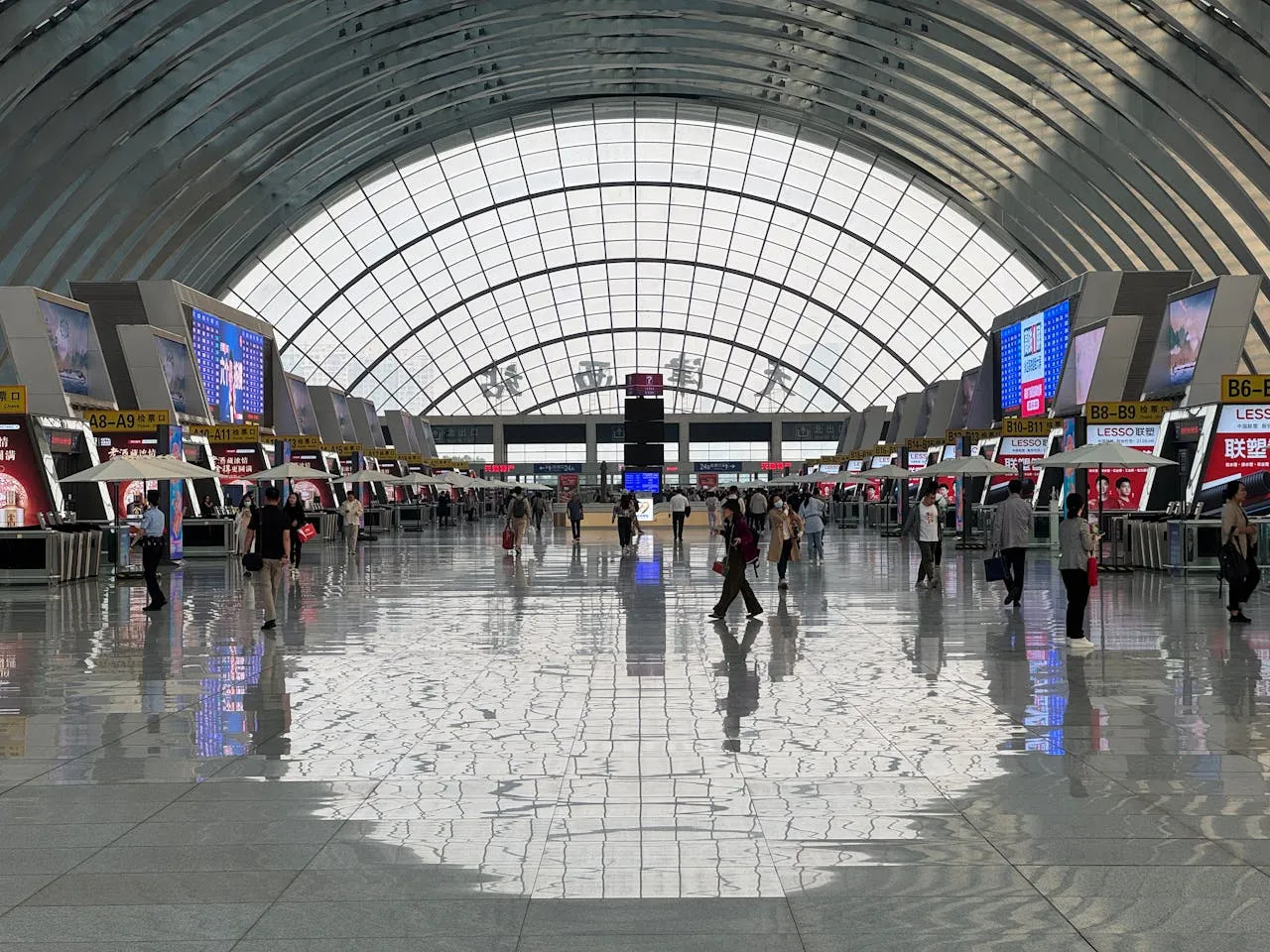
Dubrovnik Airport has a modern terminal on the E65, about 20 km south of the city. Parking is limited and expensive in peak season, pre-booking is recommended. Payment by cash or card at the machines.
Inside: bureau de change, bank, post office, restaurants, duty-free, and a newsstand. All the essentials for a quick turnaround before heading south.
Driving into Montenegro
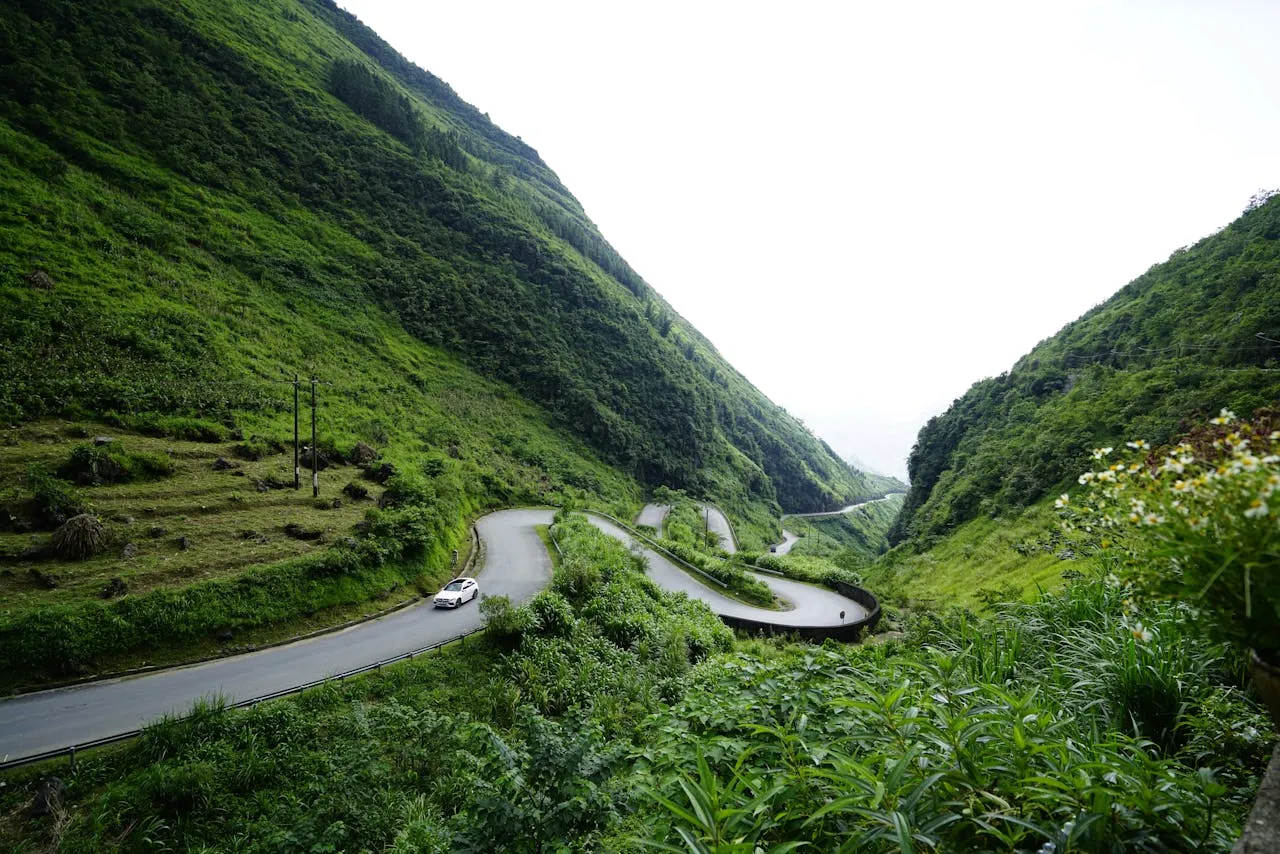
From the airport, follow the E65 south through Cavtat. The road hugs the coast, passes the border at Debeli Brijeg, and enters Montenegro near Herceg Novi. From there you can follow the bay road through Kotor to Podgorica, or take the faster motorway via Budva and the Sozina tunnel.
The coastal route is one of Europe's great drives, limestone cliffs dropping into turquoise water, with the Bay of Kotor opening like a hidden fjord ahead of you. Allow extra time not because the road is bad, but because you will want to stop and photograph every other bend.